GromPack.
Precision Redefined.
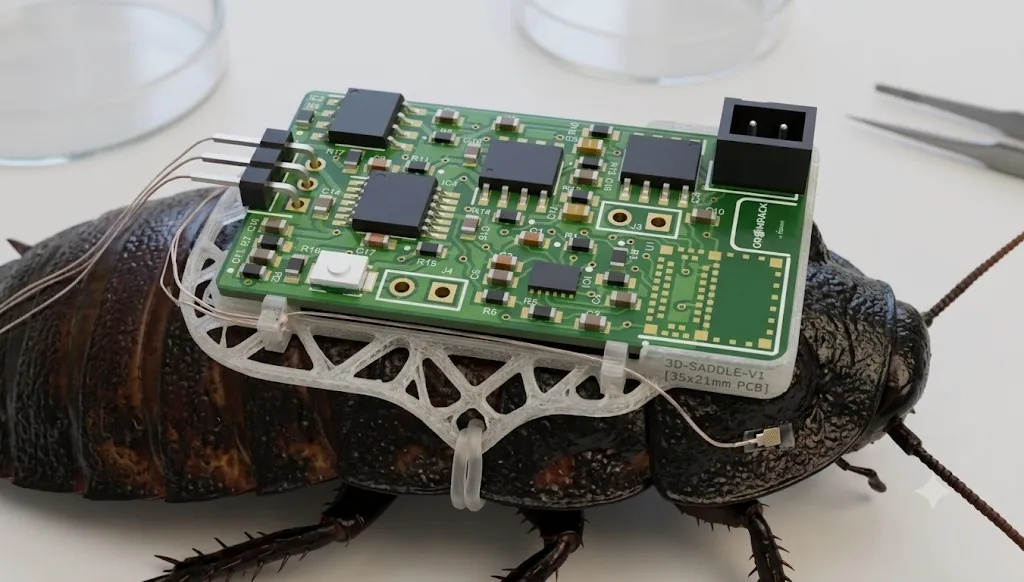
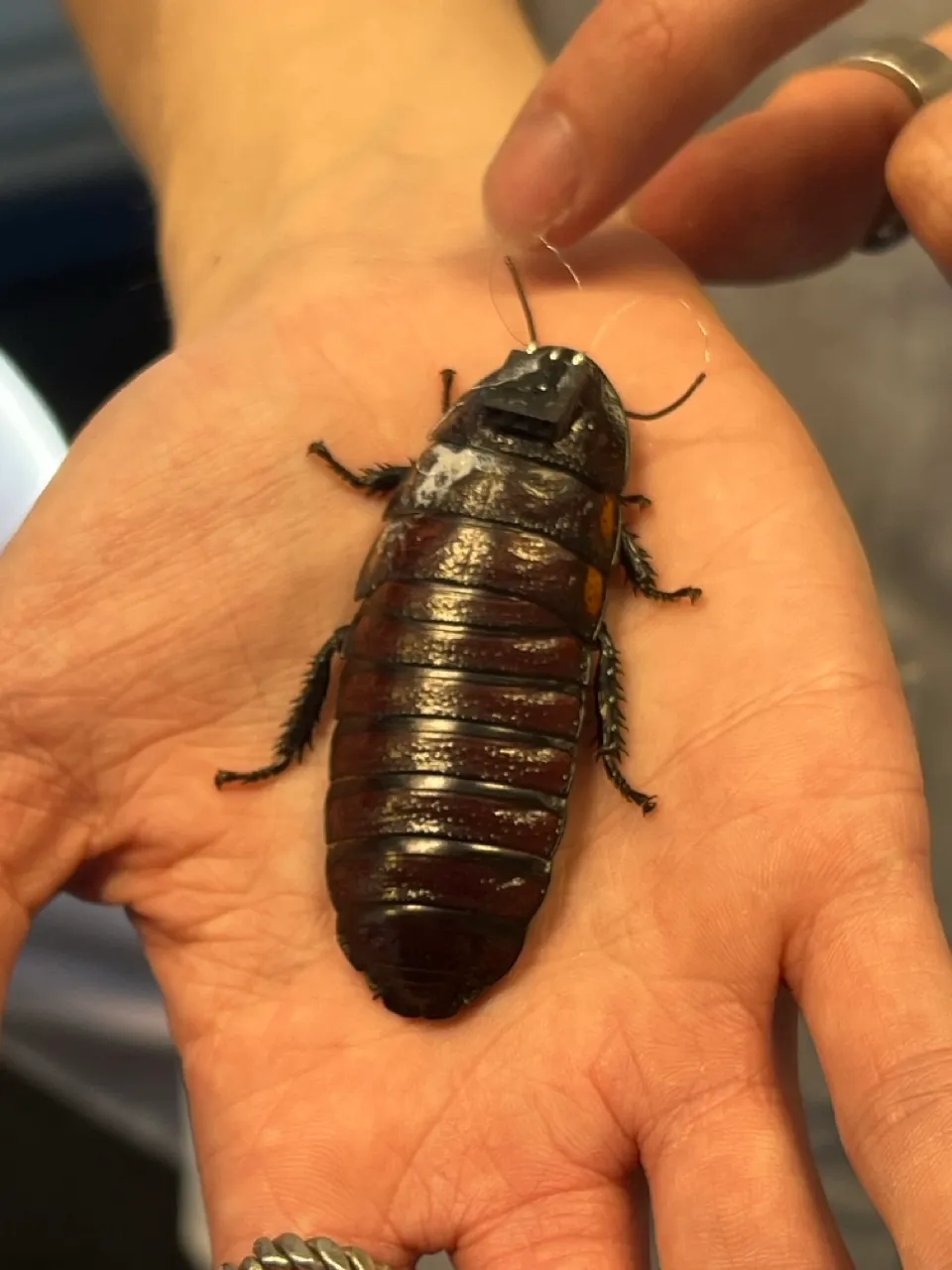
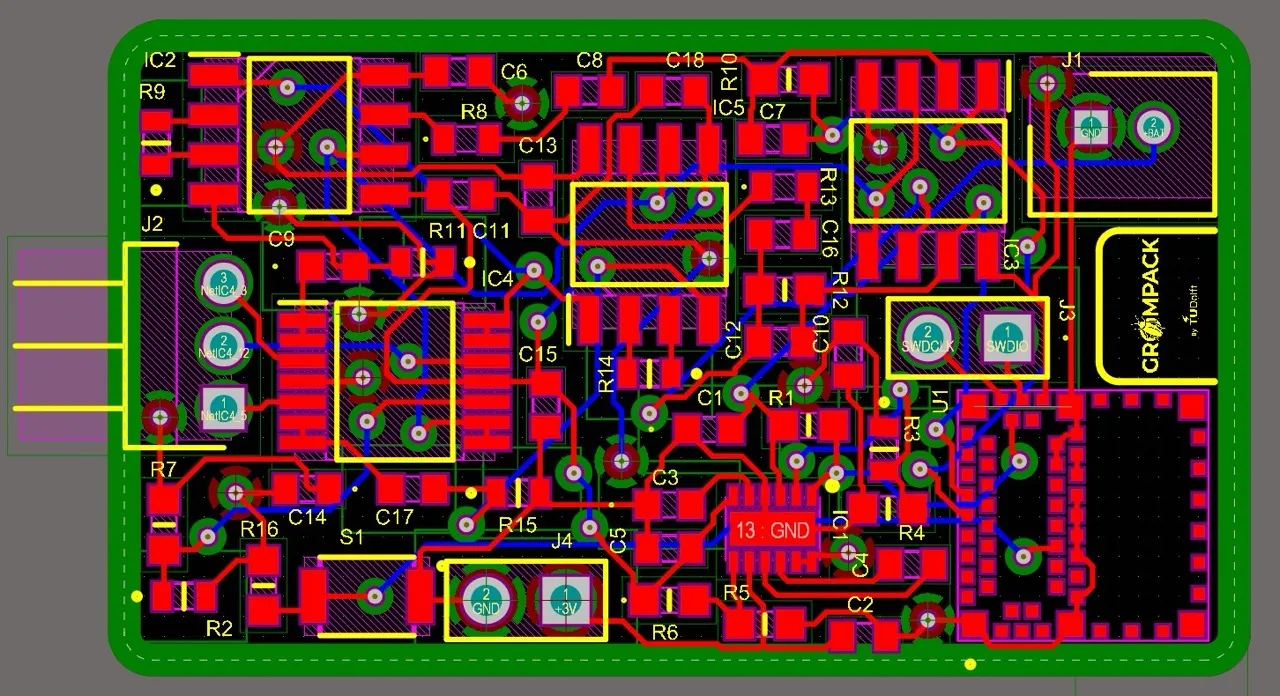
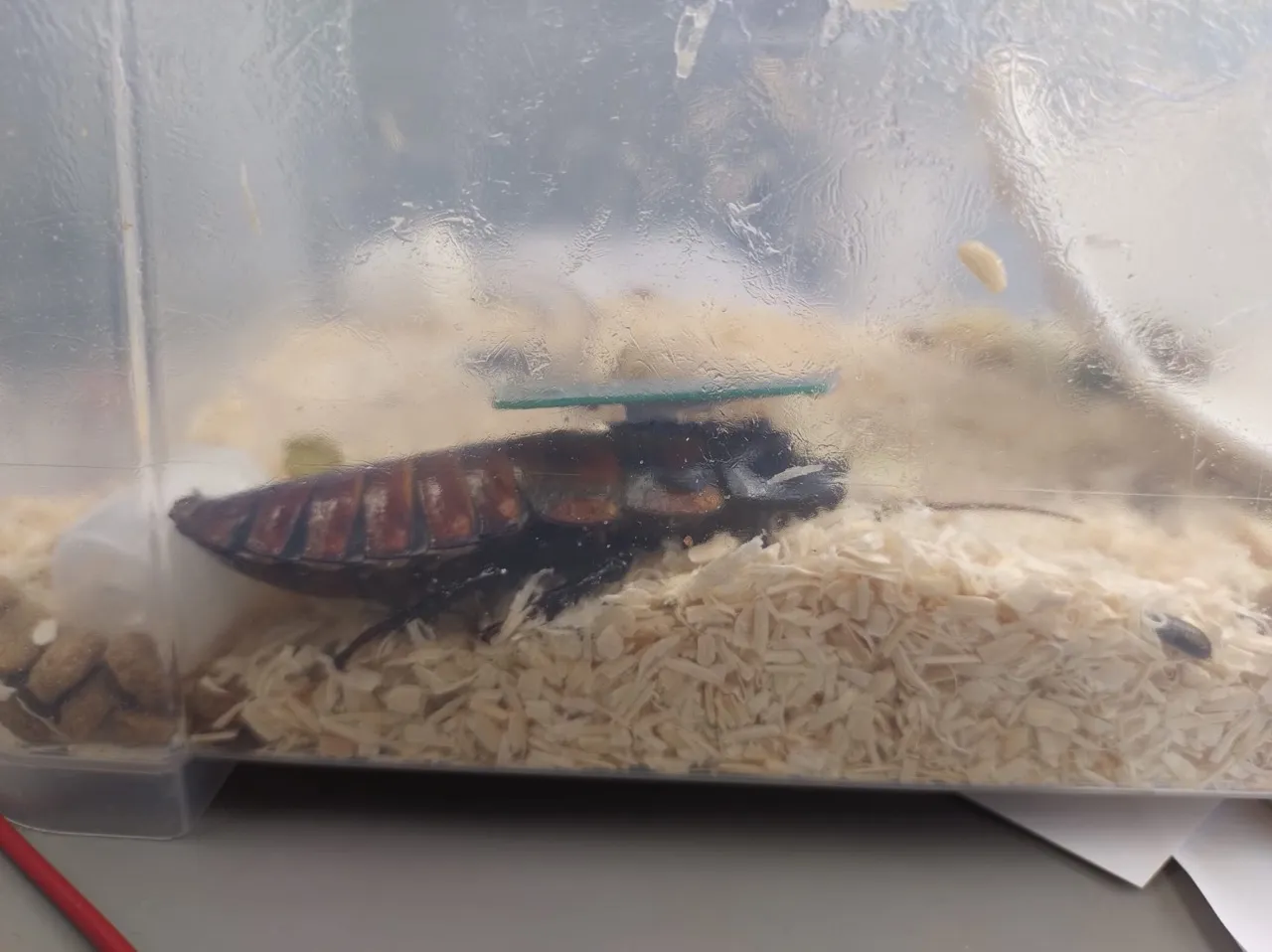
A miniaturized, wireless neural telemetry system engineered specifically for the Madagascar Hissing Cockroach (MHC). Designed to replace restrictive wired setups, it allows for undisturbed, real-time behavioral analysis.
Engineered for the Micro-Scale
Designing for live insects requires uncompromising precision. Every microgram and microsecond was optimized—from analog signal conditioning to multithreaded host software—to capture microvolt neural data without altering natural behavior.
Analog Front-End
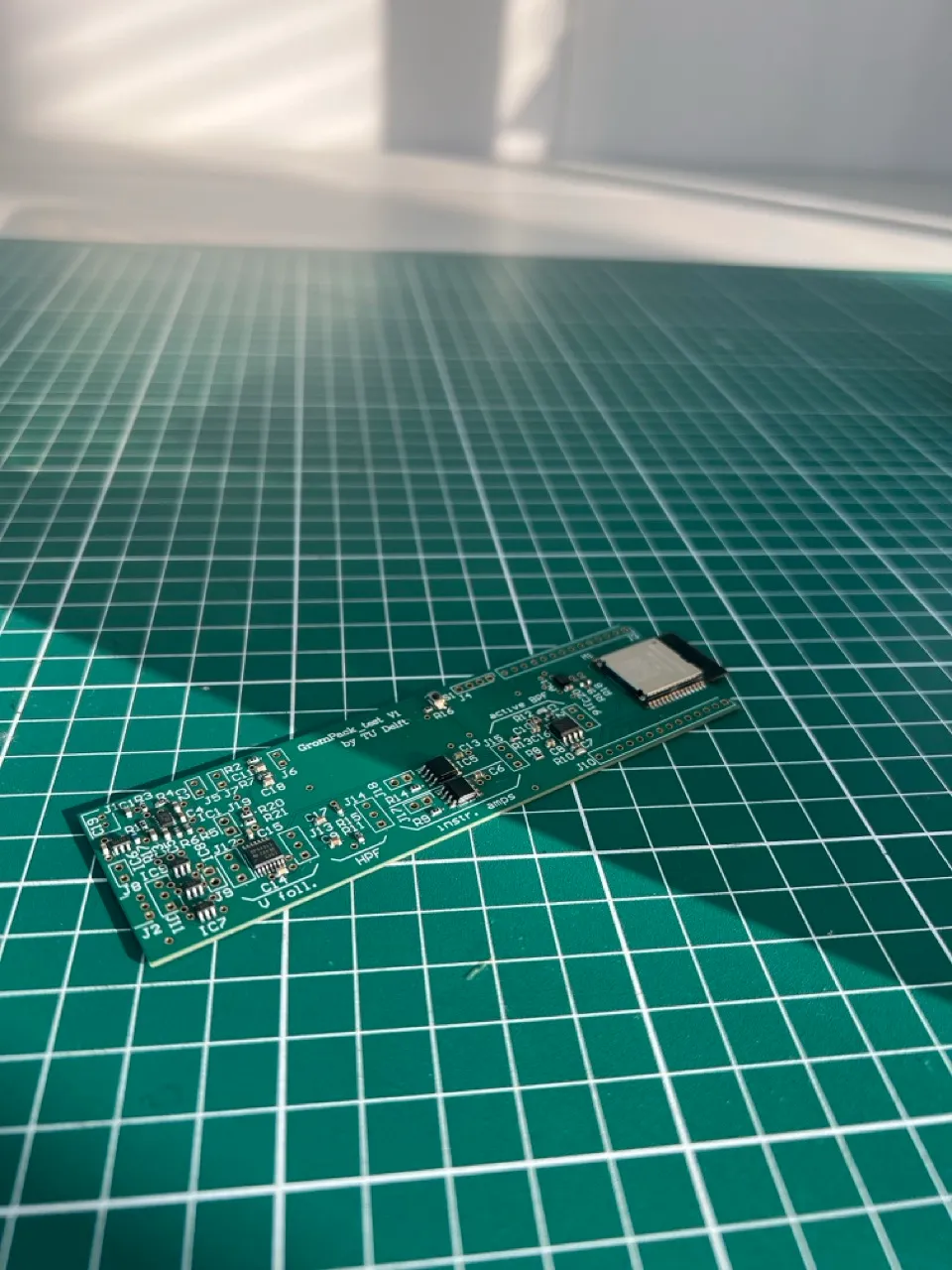
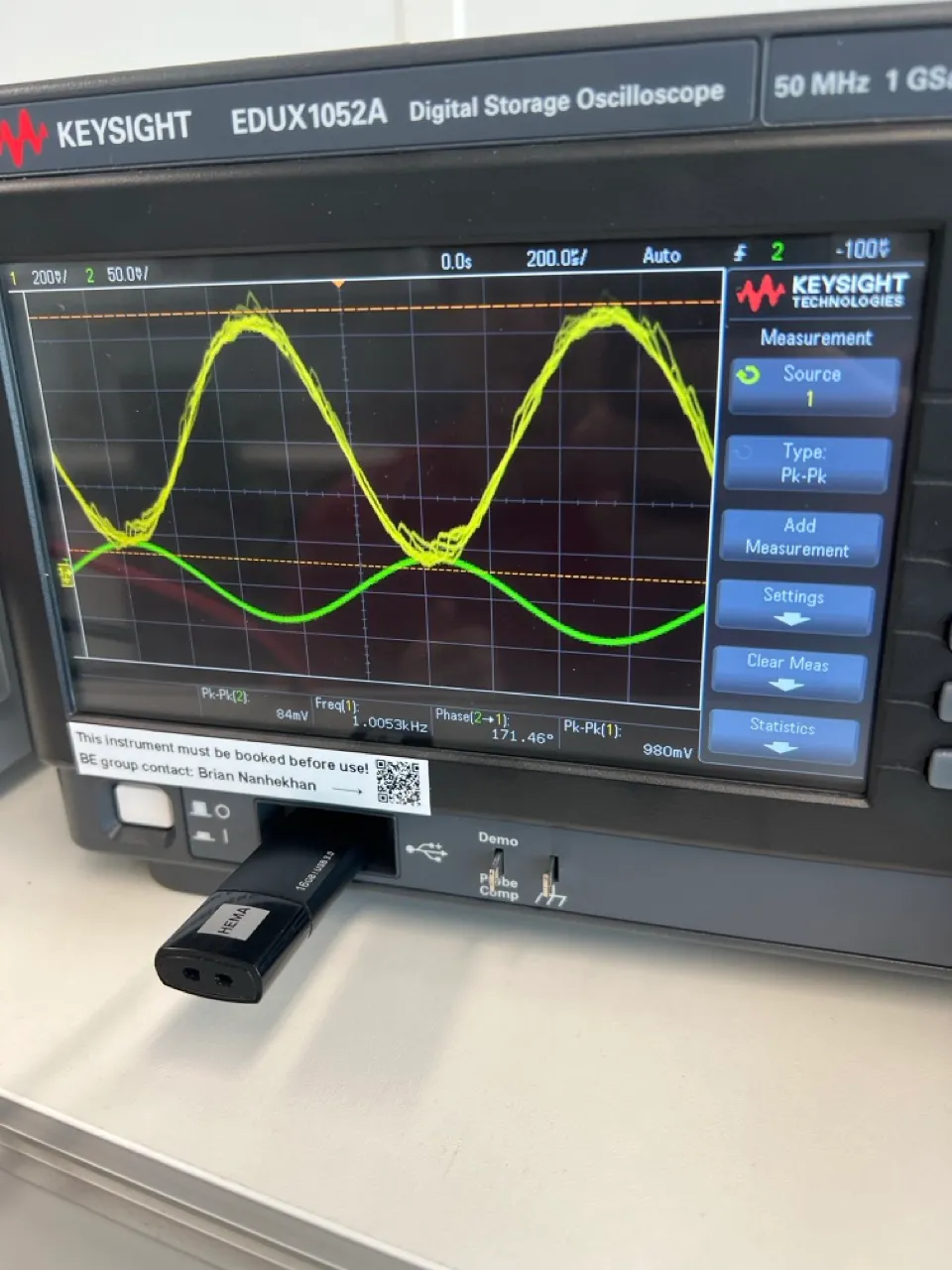
Conditions 200 µV biphasic action potentials using a high-CMRR instrumentation amplifier and bespoke voltage follower buffers. Delivers a 2042x gain and an impressive 14.0 dB SNR, fully shielded by a custom 4-layer PCB stack-up.
Zephyr RTOS & nRF54
Leverages the Nordic nRF54L15 architecture. Utilizes EasyDMA and hardware-triggered DPPI to achieve CPU-less 12kHz, 12-bit ADC sampling, streaming via BLE 2M PHY for ultra-low latency.
Power Management
A dual LDO and charge-pump topology (LM27762) provides ultra-low noise +3.0V and -1.5V rails. Driven by a 40mAh LiPo battery, the sub-2g power subsystem guarantees over 8 hours of continuous operation.
Multithreaded GUI
A robust Python host interface featuring a custom PI-controller with anti-windup. It seamlessly handles BLE jitter and non-determinism, utilizing circular buffering for perfectly smooth, real-time visualization.
Magnetic Payload
To respect the insect's strict load-bearing limits, the entire 6.9g device mounts via a custom neodymium magnetic coupling interface, allowing rapid, stress-free attachment and detachment.
Fail-Safe Architecture
Firmware relies on Zephyr's lock-free memory slab allocators rather than dynamic heap allocation. This prevents heap fragmentation and guarantees deterministic execution times during critical interrupts.
Team Kakkerlak
The engineers behind the grompack.

Matthias Fransen
"Ik wil even wat alone-time met de 30 Hz."

Marijn den Hartog
"Ik wardeer je enthousiasme!"

Sam Breddels
"Bluetooth Low Emission."
Ralou Mantzou
"We gaan surgery doen op de test pcb."

Wouter de Ruiter
"Verwarm de oven maar vast wij nemen nog wat mee."

Tom Cajot
"Dat komt goed."
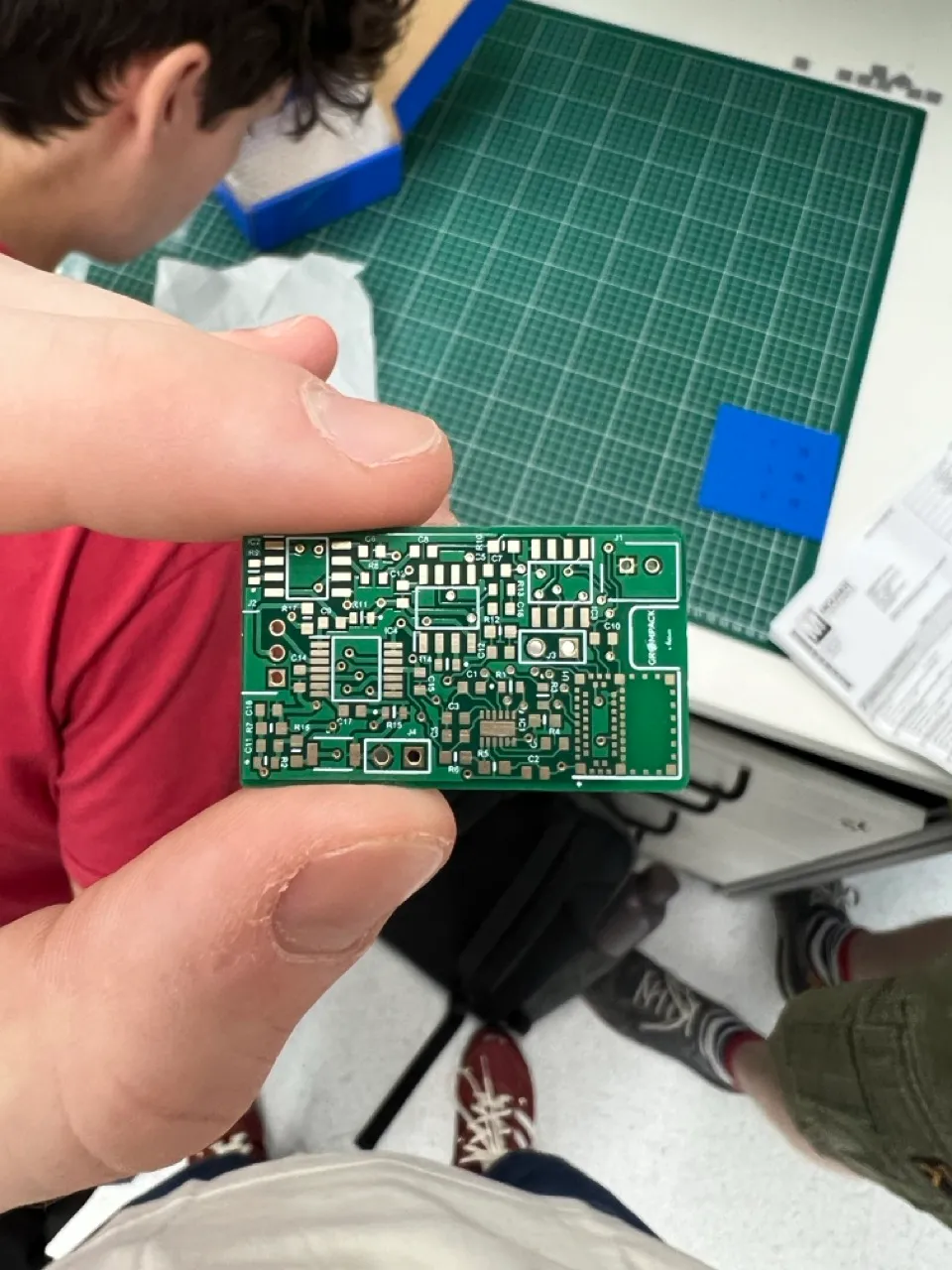
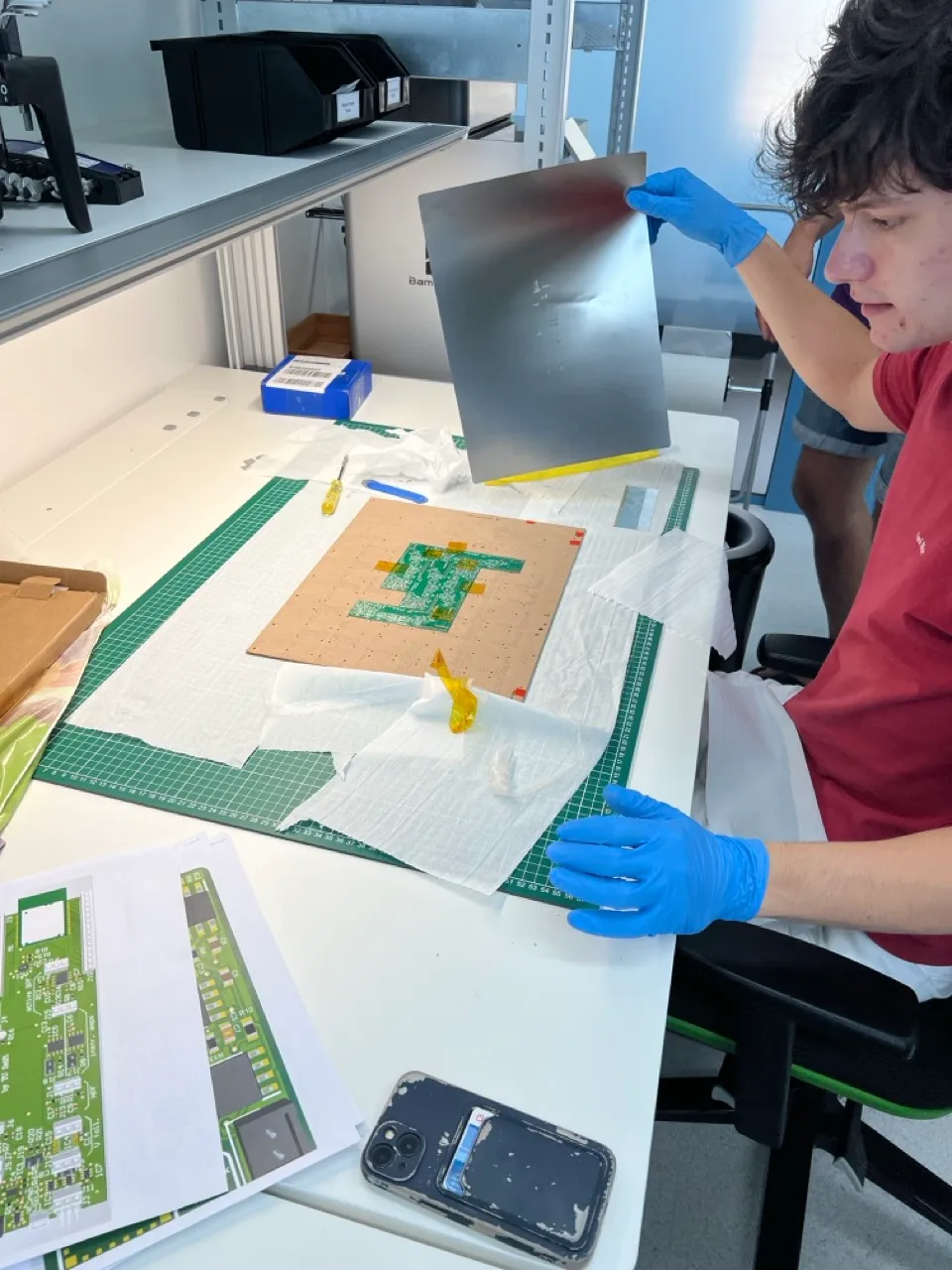
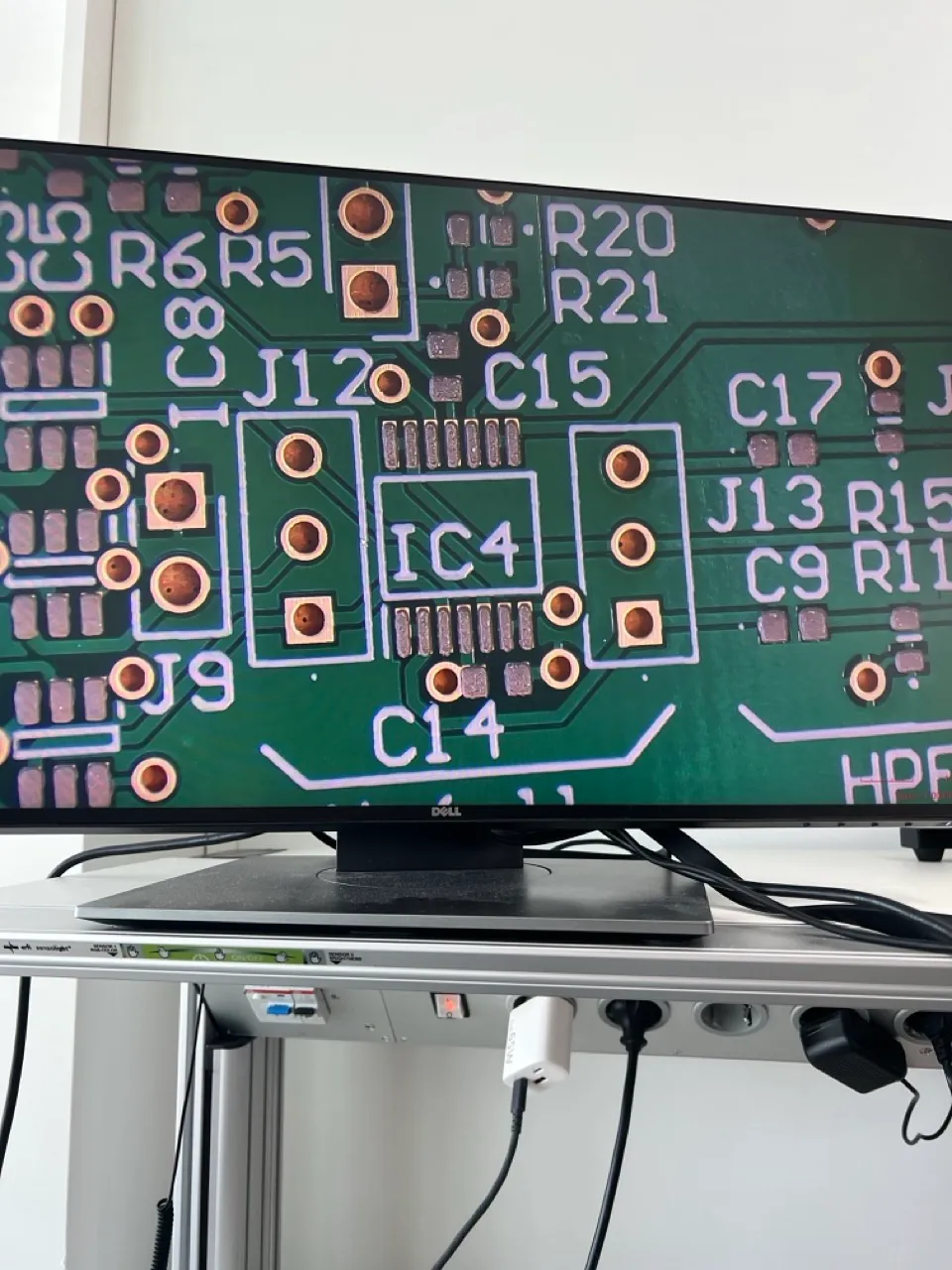
Behind the Scenes
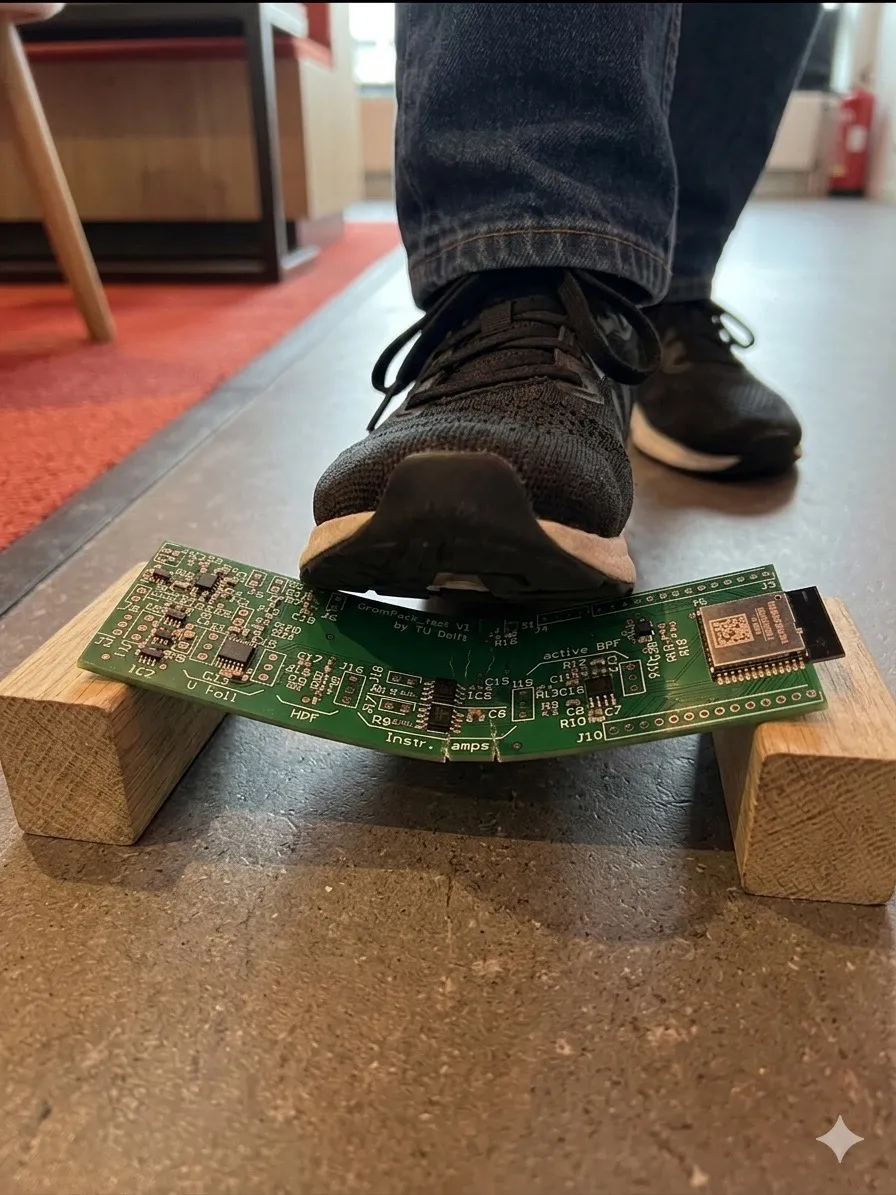
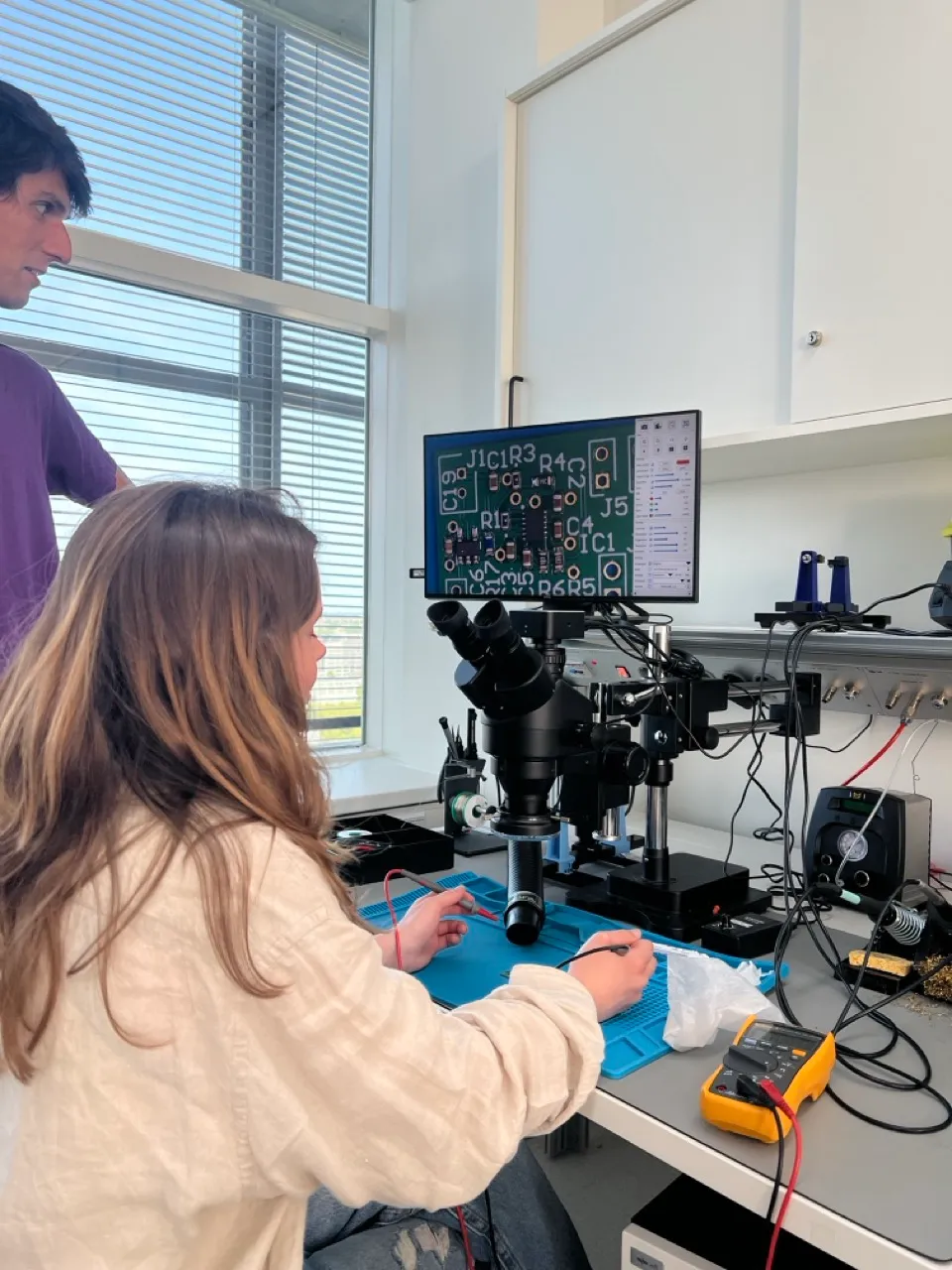
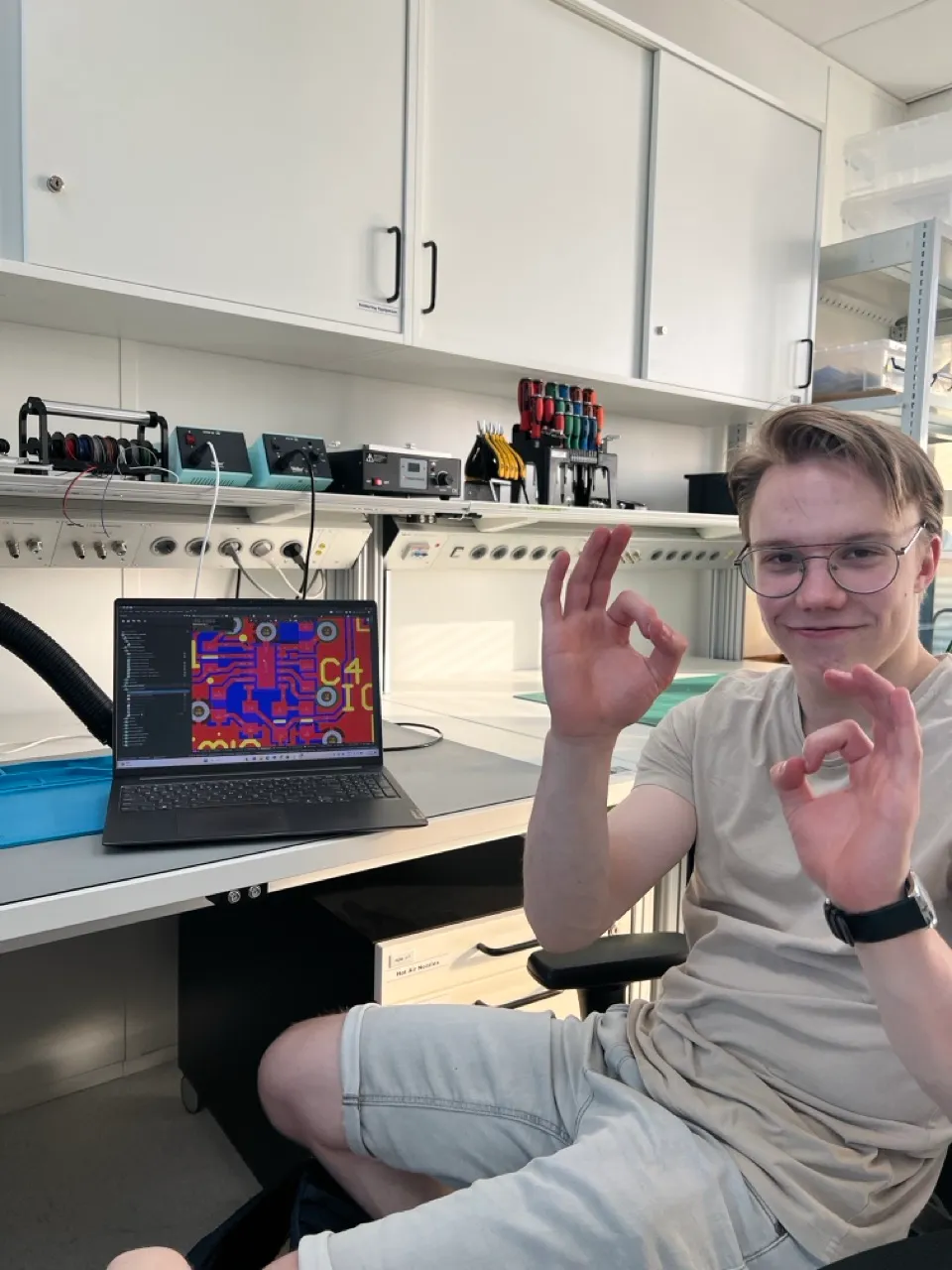
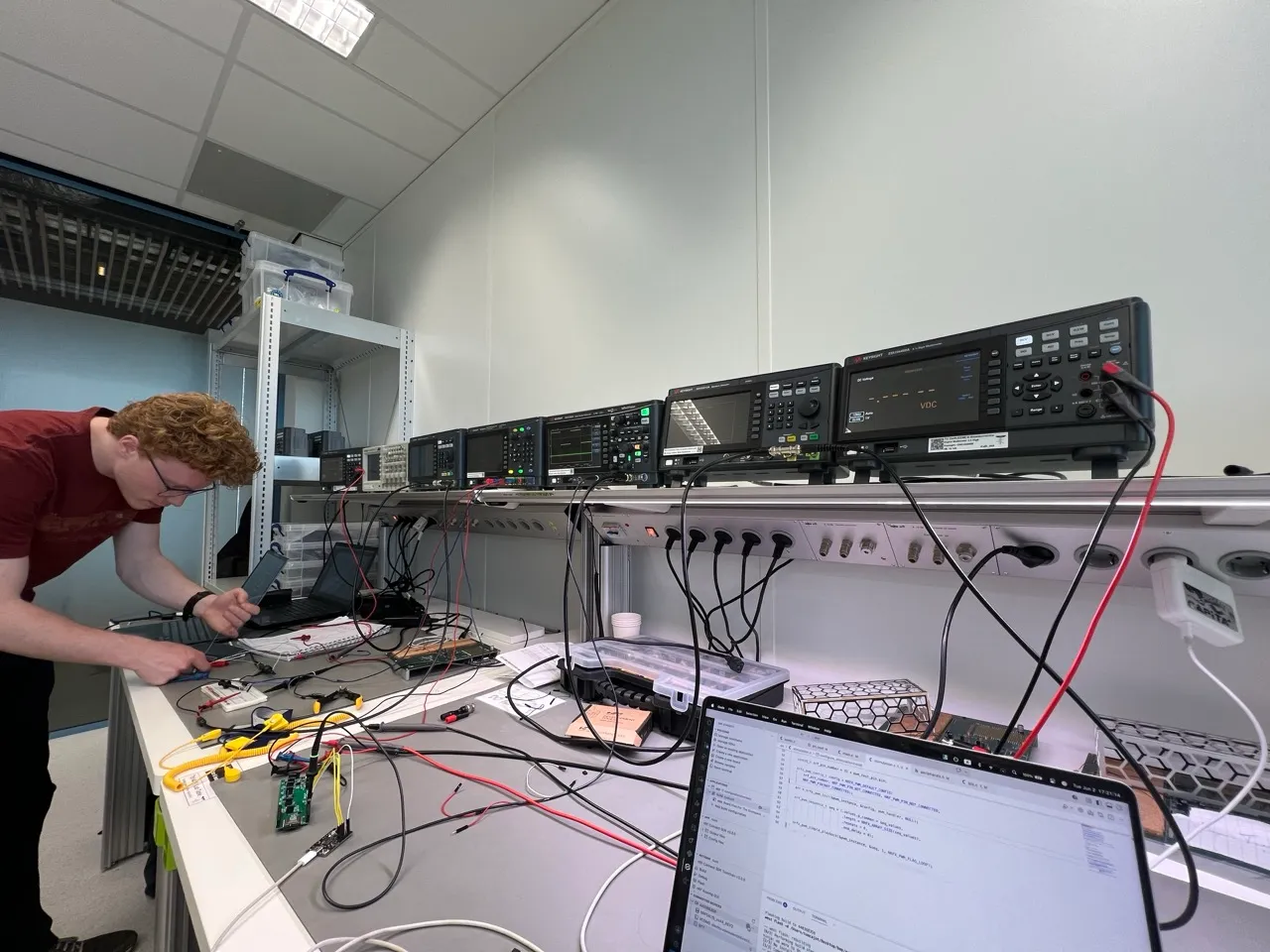
From breadboards to biological deployment.

Bachelor Graduation Project (EE3L1)
Designed for the Psychobiology department of the University of Amsterdam (UvA).
Leon Abelmann & Johan Meyer